A holistic approach to complex care
Sharing experiences in venous leg ulcer care supports better practice — hear how fellow nurses navigate the key challenges.
How to treat less complex venous leg ulcers | step-by-step guide
Explore the step‑by‑step approach to effectively treating venous leg ulcers
Mepilex® Up
Inspired by patient needs and clinician perspectives
A new and innovative foam dressing designed to minimise risk of leakage.
Learn more
Wound Bed Preparation
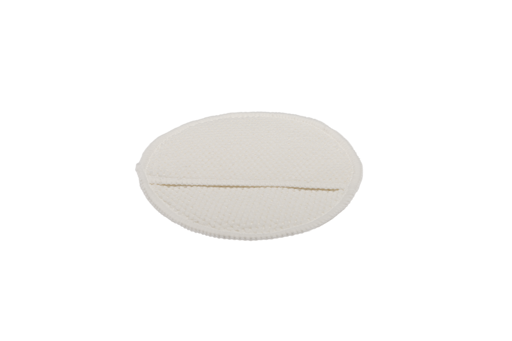
Mepi Debripad
Safe, easy and effective debridement to promote ongoing healing wherever and whenever it's needed.
Mepi™ Debripad is a microfibre pad designed to provide fast, safe, and low-pain wound debridement.
Introducing
Mepi Press 2 and Mepi Press 2 Lite
Multi-component compression systems designed to provide effective, consistent compression therapy for venous disease and edema.
Learn moreRelated products

Learn more about venous leg ulcer management
Start your healing journey
Find practical advice and information to guide and support your patients through their healing journey.
Learn moreRelated articles
Read all-

Skin tears | 3 min read Understanding, preventing and managing skin tears
Skin tears are painful and distressing injuries that occur more often than people may realise. Unfortunately, a lack of awareness about what causes skin tears can lead to misidentification and mistreatment which in turn, can lead to pain and suffering.
-

Epidermolysis bullosa (EB) | 2 min read The lightest touch: for people living with epidermolysis bullosa (EB)
EB covers a group of rare skin disorders characterised by fragile skin that can blister or tear in response to everyday friction. It affects an estimated 500,000 people worldwide1.
-

Venous leg ulcers | 1 min read What can I do to support my venous leg ulcer?
While your nurse or doctor helps you with the right treatment plan for your venous leg ulcer, the choices you make every day at home can support healing. Small, consistent actions and daily choices to help your leg ulcer healing at home will improve your health and wellbeing. Maintaining healthy habits, such as eating and drinking well and staying active, can help reduce the risk of your venous leg ulcer recurring after it has healed.
-

Venous leg ulcers | 1 min read Why compression therapy is important
You may be wondering why you need compression therapy. Compression therapy is a key phase for venous leg ulcer treatment because it improves blood flow, reduces swelling, and helps the ulcer to heal. Wearing your compression therapy as advised by your doctor or nurse can also help reduce the risk of ulcers returning.
-

Venous leg ulcers | 1 min read Signs of an infected venous leg ulcer
What is a venous leg ulcer? A venous leg ulcer is an open wound on your lower leg or ancle that hasn't healed after two weeks. It can happen if veins in the legs are weakened. Our veins carry blood back to the heart, with the help of small valves to keep it flowing in the right direction.
-

Incision care | 5 min read Safetac®: the innovation that changed wound care forever
With the invention of Safetac, Mölnlycke revolutionised wound care, introducing a range of groundbreaking dressings specifically designed to minimise pain at dressing change. Discover how Safetac technology can benefit you and your patients.
-

Diabetic foot ulcers | 4 min read Diabetic foot ulcers: Treatment, management, and care
Examining how diabetic foot ulcers are diagnosed, treated, and managed, taking a holistic approach to the patient’s individual wound and needs.
-

Diabetic foot ulcers | 5 min read Diabetic foot ulcers: Causes, risks, and epidemiology
Examining the causes, risk factors, and epidemiology of diabetic foot ulcers (DFUs), a serious complication of diabetes, and approaches to prevention and management period.
-

Burn treatment | 1 min read When gentle matters most: a parents’ guide for children recovering from partial thickness (second degree) burns
This guide is for parents and carers, to help you understand and support your child’s healing journey, from hospital care to recovery at home.