Burn treatment
Gentle care for burns
Effective burn healing
Most burns are painful and can even be life-changing for the patient. With the right burn care and therapies throughout the healing journey, we can help patients return to daily life faster.
The Power of Gentle
Our product portfolio does not make compromises. It provides effective care and reduces additional trauma and suffering during dressing changes – every step of the way. This means undisturbed wound healing, improved cost-effectiveness, and a better patient experience. 2-3, 10-12
Our approach to treating burns
-
1. Gentle care for burns
Undisturbed wound healing should be promoted. Using dressings that minimize the risk of maceration, provide an antimicrobial barrier and allow for long wear-time is essential. Pain and stress are contributors to delayed wound healing, therefore it is also key to select a dressing that minimizes additional trauma.9
-
2. Patient satisfaction
Experiencing pain and distress is not only a bad foundation for healing but also agonizing for the patient. Choosing a dressing that minimizes pain and anxiety at dressing change will contribute to higher patient satisfaction.
-
3. Cost-effectiveness
Cost-effectiveness is an important factor in implementing a treatment regimen for burns. Dressings associated with less changes, nursing time or analgesics use can reduce total cost of care.

A gentle healing journey
Minimized pain at dressing changes enabled by Safetac® technology
Safetac® is the original less-pain contact layer with silicone adhesion. It molds softly to skin without sticking to the moist wound and it can be easily be removed without damaging the wound or skin.1-5,7 That means less pain for your patients.1-6,8 Safetac also protects new tissue and intact skin – so wounds remain undisturbed to support natural healing. Read more about Safetac here.
-

Without Safetac®
-

With Safetac®
Wound stories
Every burn has its story. Listen to burn survivors and caregivers when they share their experience on burns.

Product selection guide
Our burns selection guide can help you discuss how to help your patients return to normal daily life
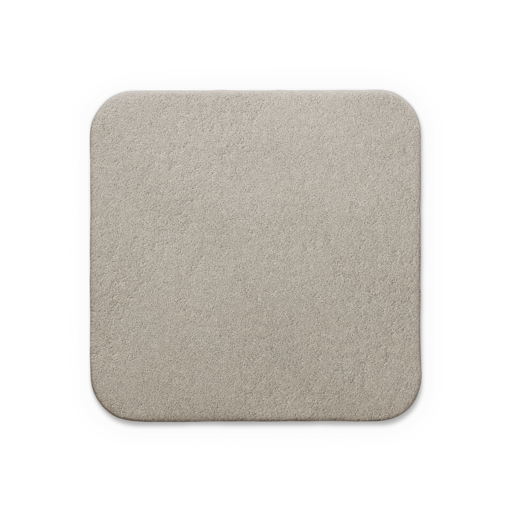
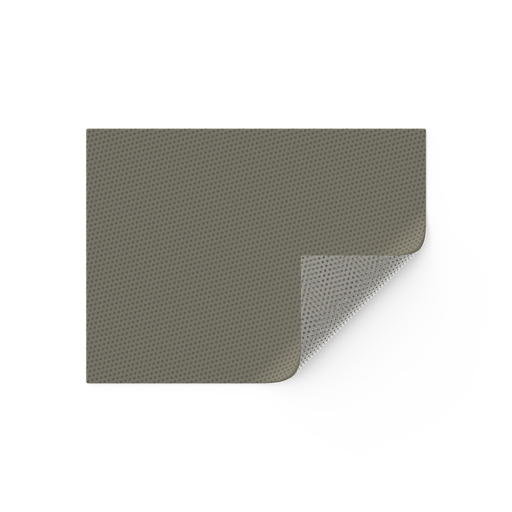
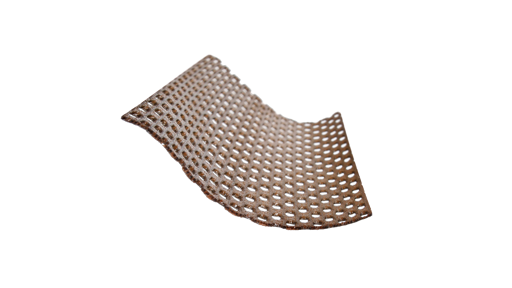
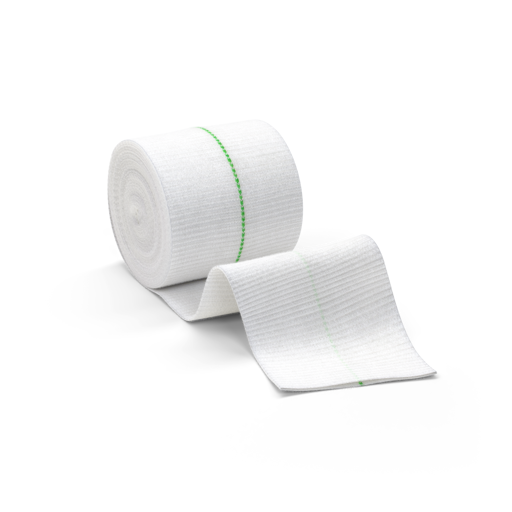
-
References
- Van Overschelde, P. et al. A randomised controlled trial comparing two wound dressings used after elective hip and knee arthroplasty. Poster presentation at 5th Congress of the WUWHS, Florence, Italy, 2016.
- Silverstein P. et al. An open, parallel, randomized, comparative, multicenter study to evaluate the cost-effectiveness, performance, tolerance, and safety of a silver-containing soft silicone foam. Journal of Burn Care and Research, 2011.
- Gee Kee E.L. et al. Randomized controlled trial of three burns dressings for partial thickness burns in children. Burns, 2015.
- David F. et al. A randomised, controlled, non-inferiority trial comparing the performance of a soft silicone-coated wound contact layer (Mepitel One) with a lipidocolloid wound contact layer (UrgoTul) in the treatment of acute wounds. International Wound Journal, 2017.
- Patton M.L. et al.. An open, prospective, randomized pilot investigation evaluating pain with the use of a soft silicone wound contact layer vs bridal veil and staples on split thickness skin grafts as a primary dressing. Journal of burn care & research, 2013
- Bredow J. et al. Evaluation of Absorbent Versus Conventional Wound Dressing. A Randomized Controlled Study in Orthopedic Surgery. Deutsche Arzteblatt International, 2018.
- Meaume S. et al. A study to compare a new self-adherent soft silicone dressing with a self-adherent polymer dressing in stage II pressure ulcers. Ostomy Wound Management, 2003.
- Gotschall C.S. et al. Prospective, randomized study of the efficacy of Mepitel on children with partial-thickness scalds. Journal of Burn Care & Rehabilitation, 1998.
- Upton D, Solowiej K. Pain and stress as contributors to delayed wound healing. Wound Practice and Research 2010, 18(3): 114-122.
- Gee Kee EL, Stockton K, Kimble RM et al. Cost-effectiveness of silver dressings for paediatric partial thickness burns: An economic evaluation from a randomized controlled trial. Burns 2017, 43(4): 724-732.
- Aggarwala S, Harish V, Roberts S et al. Treatment of partial thickness burns: a prospective, randomised controlled trial comparing Biobrane, Acticoat, Mepilex Ag and Aquacel Ag. J Burn Care Res 2020, 42(5): 934-43.
- Tang H, Lv G, Fu J et al. An open, parallel, randomized, comparative, multicenter investigation evaluating the efficacy and tolerability of Mepilex Ag versus silver sulfadiazine in the treatment of deep partial-thickness burn injuries. J Trauma Acute Care Surg 2015, 78(5): 1000-1007.
Related articles
Read all-

Article|5 min Rethinking surgical incision care
Undisturbed wound healing in post-surgical settings is a key focus for rethinking surgical incision care. Undisturbed wound healing is a principle that reduces patient mortality, improves recovery time, increases patients’ quality of life and reduces costs¹.
- Incision care
-

Article|8 min Infections in the operating room
See how protecting yourself, your patients and staff from hospital-acquired infections, also known as healthcare-associated infections, can save on costs and avoid unnecessary additional care when complications occur.
- Infection prevention
- Surgical solutions
-

Article|5 min Post-operative wound dressings and undisturbed wound healing
Successful surgical outcomes depend on appropriate post-operative care, undisturbed wound healing and correct choice of a post-op dressing. Surgical care does not end when the surgery ends. What can your post-operative dressing and dressing protocol do to help optimize healing?
- Incision care
-

Article|4 min Safetac®: the innovation that changed wound care forever
With the invention of Safetac, Mölnlycke revolutionized wound care, introducing a range of groundbreaking dressings specifically designed to minimize pain at dressing change. Discover how Safetac technology can benefit you and your patients.
- Incision care